01727 821372 (9am - 6pm) Get in touch
Find your local Cat Butler
Household Hazards for Cats

Cats are naturally curious creatures, which can lead them into trouble when it comes to household items. Here are the most common hazards and what to do about them.
Added on: 18 Oct, 2020 Posted by: Sandra James 6 min read (941 words)

In this guide:

Our feline friends are naturally curious creatures - it’s one of their characteristics that we love the most! But their curiosity can also lead them into trouble, especially when it involves household objects. Here are some of the most common household hazards for cats and how to help make sure your cat stays safe and happy. 

Food

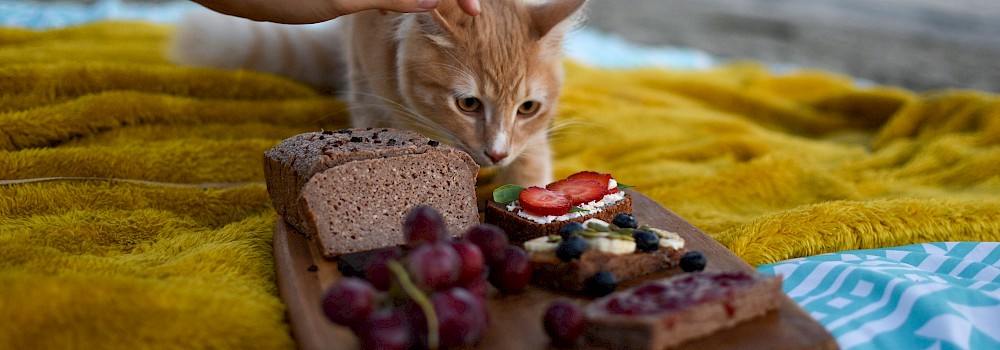
Your cat may express some curiosity in your kitchen, especially when you’re cooking. However, you should be cautious. Many ‘human’ foods can make your cat very sick if they are ingested.

  • Grapes, onions, avocados and chocolate are just some of the foods that you should never leave out or feed to your cat. They are all toxic and can lead to your cat becoming ill.  
  • Meat bones can also be extremely hazardous for cats. They can get stuck in your cat’s mouth, throat, or intestines, and they can break and cut into your cat’s oesophagus, which can make your cat extremely unwell. If you think that your cat has eaten meat bones, call your vet immediately, as they might need to be hospitalised or even have surgery. 
  • You can help reduce your cat's chance of eating toxic foods and bones by always cleaning up while you cook and immediately after. Make sure to check your floors to see if any food scraps have fallen - this will be a prime target for your cat!

Medications

  • Common medications such as paracetamol and aspirin are highly toxic to cats. If you think your feline friend needs pain relief, always check with your vet, and as with food, make sure you put away any medications after taking them. 
  • If you have dogs, it is also important to ensure that your cat is not exposed to topical flea and tick medications meant for your dog. Topical medicines for dogs sometimes contain pyrethrins or pyrethroids, which are highly toxic for cats. Just because they’re both pets doesn’t mean that all medications will have the same effect on them. Always consult with your vet if you are not sure.

Chemicals

  • You should avoid pest control chemicals such as slug bait or rat poison, as cats can easily ingest the substances by licking them off their paws or by eating a poisoned rat or slug. While there are some cat-friendly rat poisons, it is best to find alternative ways to get rid of pests on your property. 
  • Household cleaners such as bleach, detergent and disinfectants can also cause problems when inhaled or eaten by cats. Keep your furry friend out of the room when you are cleaning, clean up any spills and store the chemicals safely away before letting your cat back in. You should also ensure that any surfaces are thoroughly dry before your cat steps on them. You don’t want your cat licking any chemicals off of their paws.
  • Other common chemicals that are poisonous to cats include de-icing salts (again, cats tend to lick them off their paws) and antifreeze. Even the smallest amount of antifreeze can cause severe kidney failure in a cat. If you have a cat, it is recommended that you avoid using the product altogether, but if you must do so, you should always keep it out of reach of your cat and clean up any spills immediately.

Plants

  • There are also a variety of plants that can prove toxic for your cat. Lilies (including Easter Lilies, Tiger Lilies and Peace Lilies) and Dieffenbachia are all dangerous if eaten by your cat. You should never have these plants in your house if you have a cat, as even the smallest amount of lily leaf or pollen can be toxic. Spiky plants like cacti can also get stuck in your cat’s throat, so it’s best to keep all of your houseplants out of your cat’s reach. 

Small objects

  • Even though there’s the familiar image of cats playing with balls of wool or pieces of string, small objects such as these can be potentially dangerous for your furry friend. Yarn, rubber bands, floss and other string-like items are very easy to swallow and can trap your cat’s tongue. They can cause your cat to choke and can even wrap around their intestines. As cute as it may look, it’s always best to keep items such as string away from your cat. 
  • Other small objects such as paper clips, toys with squeakers or removable parts and coins (to name a few) are also easy to swallow. Again, make sure that you clean up after yourself and that your cat only plays with toys that are too large to swallow. 

Electrical wires

  • Finally, electrical wires are a common household hazard for cats. Cats like to chew on them, especially when they’re young. If they chew through the outer protective plastic, your cat could be electrocuted. You can reduce the chance of this by covering power cords and storing all unused cables away.

Although many areas of the home can prove dangerous to your cat, you can easily ensure your furry friend’s safety by ensuring that potentially harmful objects are out of your cat's reach and by cat-proofing your house as best as possible.

Sandra James

Sandra James

Owner & Founder

The Cat Butler was set up by Sandra James in recognition of the fact that a stay in a cattery can be unsettling for many cats and also their owners.

The Cat Butler © 2026