Bringing home a new baby is an exciting time, but it is also a major change for your cat. New sounds, unfamiliar smells, different routines and extra visitors can all make home life feel unsettled.
Cats often feel most secure when their environment is familiar and predictable. A new baby can change many parts of their daily routine at once, so a little preparation can make the transition much easier.
The good news is that most cats adapt well to life with a baby. With patience, gradual introductions and sensible supervision, you can help your cat feel safe and secure as your family grows.
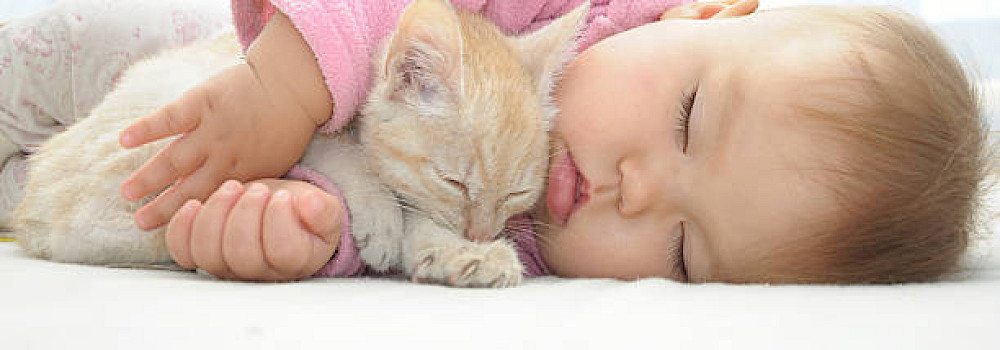
Most cats adjust well to a new baby with patience, preparation and gradual introductions
Can Cats and Babies Live Happily Together?
Yes, absolutely. Most cats adjust well to having a new baby in the home, although every cat is different. Some will be curious from day one, while others may need a little more time to feel comfortable.
International Cat Care and Cats Protection both recommend preparing your cat before your baby arrives, rather than waiting until afterwards. Gradual changes help reduce stress and allow your cat to adjust at their own pace.
How to Prepare Your Cat for a New Baby
The best time to help your cat adjust is before your baby is born.
Start introducing changes gradually, rather than waiting until the baby comes home. This might include setting up the nursery, moving furniture or changing where your cat sleeps.
Allow your cat to investigate new items under supervision. Cots, prams and changing tables may all be interesting at first, but they usually become less exciting once they are familiar.
If there are areas you do not want your cat to access, such as the cot or nursery, begin setting those boundaries early. It is much easier for your cat to adapt before the baby arrives than to face several sudden changes at once.
You can also help your cat become familiar with baby sounds by playing recordings of crying at a low volume while rewarding calm behaviour with treats or play. If your cat appears worried, simply lower the volume and try again another day.
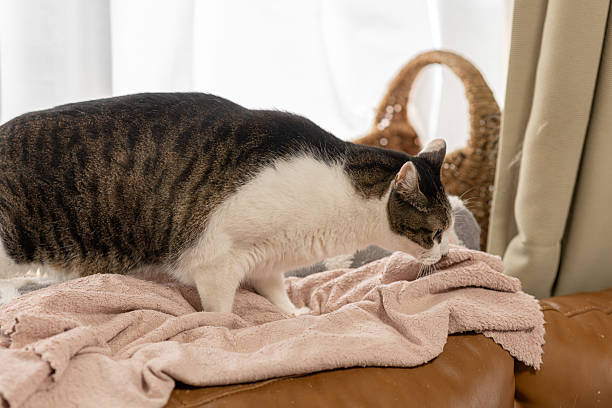
Before bringing your baby home, you may wish to let your cat investigate a blanket or item of clothing that carries the baby's scent. This allows them to become familiar with a new smell before the first meeting.
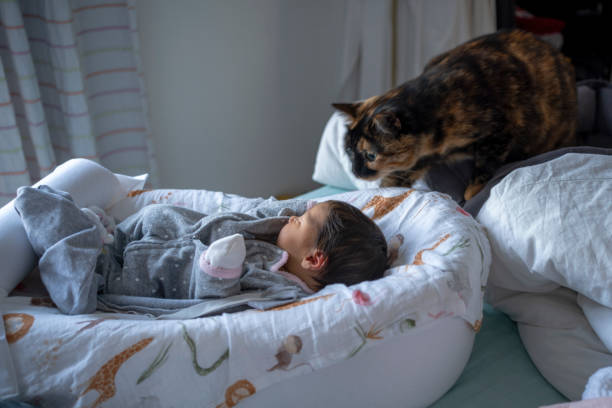
Preparing your cat before your baby arrives can help reduce stress and build confidence
Helping Your Cat Adjust to a New Baby
Cats tend to cope better when their routine stays as predictable as possible.
At The Cat Butler, we've found that many cats feel more secure when one or two familiar routines remain unchanged, even if the rest of the household becomes much busier.
Keeping regular feeding times and setting aside a few minutes each day for play or quiet attention can be reassuring.
Try to keep feeding times, litter tray cleaning, play sessions and access to favourite sleeping spots consistent. Your daily schedule may become less predictable after the baby arrives, but even small familiar routines can be reassuring.
Spending a few minutes playing with or fussing your cat each day can also help them feel secure. It reminds them that they are still an important part of the family.
Just as importantly, make sure your cat has a quiet place to retreat if the house becomes busy. A comfortable bed, cat tree or quiet room gives them somewhere they can relax without being disturbed.
Introducing Your Cat to Your Baby
When you bring your baby home, do not force your cat to meet them.
Your cat may be curious, cautious or completely uninterested. All of these reactions can be normal.
Allow your cat to approach naturally if they choose to. They may want to have a quick sniff, watch from across the room or simply walk away.
Keep the atmosphere calm and always let your cat set the pace. If they hiss or retreat, they are simply telling you they need more space.
You can also help build positive associations by offering treats or playing with your cat when they are calm around the baby. The aim is not to force interaction, but to help your cat understand that the new arrival is a positive part of family life.
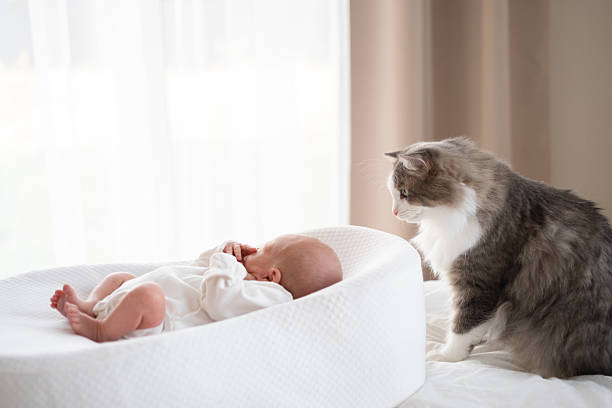
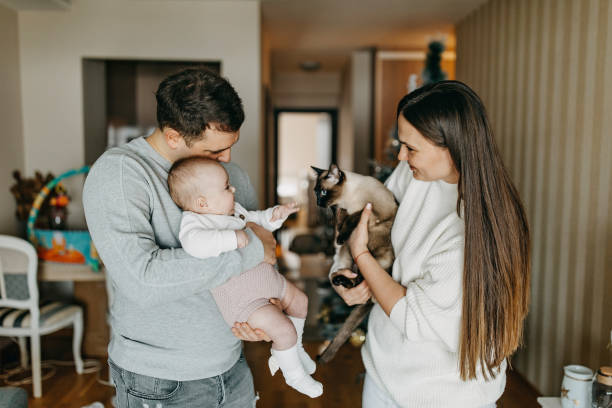
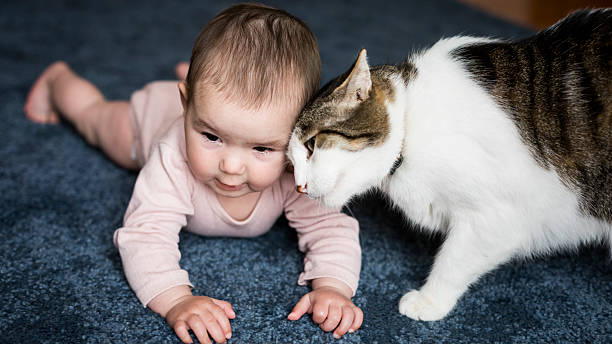
Let your cat approach your new baby at their own pace to help build a positive relationship
Cat and Baby Safety Tips
Never leave your cat alone with your baby, even if your cat has always been gentle.
Your baby should always have their own safe sleeping space, and your cat should not be allowed to sleep in the cot or Moses basket. The NHS recommends following safer sleep guidance to help keep babies safe.
As your baby grows and becomes more mobile, continue supervising every interaction. Teach children to stroke gently, avoid chasing the cat and always allow them to walk away if they choose.
Signs Your Cat Is Stressed After Your Baby Arrives
Some cats adjust quickly, while others need more support.
These behaviours can sometimes indicate stress, but they may also be caused by an underlying health problem.
If your cat's behaviour changes suddenly, they stop eating or the problem continues, speak to your vet. Cats Protection also advises seeking veterinary advice if behavioural changes persist, as illness should always be ruled out first.
Always supervise interactions and watch for signs your cat may be feeling stressed
Common Myths About Cats and Babies
Do cats steal babies' breath?
No. This is an old myth with no scientific evidence behind it.
However, cats are naturally attracted to warm and comfortable places, so it is still important to keep them out of your baby's sleep space.
Will my cat be jealous of my baby?
Cats may become unsettled when their routine changes or they receive less attention than before.
Keeping familiar routines and giving your cat plenty of choice can help them adjust more comfortably.
Do I need to rehome my cat?
In most cases, no.
With careful preparation, sensible supervision and patience, most cats and babies can live happily together. If you have concerns about your cat's behaviour, speak to your vet before making any major decisions.
Most cats can adjust well to life with a baby when they are given time, choice and a safe space of their own
Frequently Asked Questions
How long does it take a cat to adjust to a new baby?
Every cat is different. Some adapt within a few days, while others may take several weeks. Allow your cat to adjust at their own pace and keep their routine as consistent as possible.
Should I let my cat sniff my newborn?
Yes, provided the interaction is calm and supervised. Allow your cat to approach naturally rather than forcing the introduction.
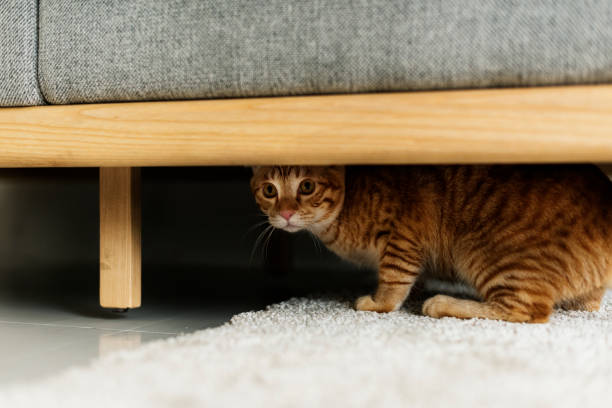
Why is my cat hiding after the baby arrives?
Hiding is a common response to change. Make sure your cat has access to quiet spaces and allow them time to settle. If the behaviour continues or your cat stops eating, contact your vet.
Can my cat sleep in the baby's room?
It is safest to keep your cat out of your baby's cot and sleep space. Always follow the latest NHS safer sleep guidance.
Will my cat be jealous of my new baby?
Changes in routine can make some cats seem unsettled, but maintaining familiar feeding times, play sessions and quiet spaces can help them adjust.
Do I need to rehome my cat when I have a baby?
No. Most cats adapt well to life with a new baby when introductions are gradual and interactions are supervised.
With patience, preparation and understanding, most cats can thrive alongside a new baby
Final Thoughts
Welcoming a new baby is a major adjustment for the whole household, including your cat.
The key is to prepare early, introduce changes gradually and let your cat set the pace. Keep familiar routines where possible, provide quiet places to retreat and never force interaction.
With patience, consistency and understanding, most cats adapt well and can enjoy a happy life alongside your growing family.
This article provides general guidance only and should not replace advice from your vet. For baby sleep safety, always follow the latest NHS recommendations.
Need a Little Extra Support?
If you're expecting a baby and need someone to care for your cat during hospital visits or the first busy weeks at home, professional home cat sitting can help keep your cat's routine as normal as possible.
The Cat Butler provides professional home cat sitting, helping your cat stay in the comfort of their own home while maintaining familiar feeding times, play sessions and daily routines, so you can focus on your growing family.
 Cat Butler Cat Sitting Our professional cat sitting services are delivered by trained and vetted cat experts in the comfort of your cat’s own home, helping us to make sure that they are happy and safe while you are away.Home Care & Security We are more than just cat sitters. While you’re away, The Cat Butler team is here to make sure that your home is also safe and looked after.The Cat Butler Process We offer a free meeting to get to know your cat and to discuss their routine and care requirements.


 Cats are happier at home