Signs That Your Cat May Be In Pain
Most cats are particularly good at hiding their pain. In this guide we cover what signs of pain to look for in your cat and the possible cause of the pain, so your cat doesn’t have to suffer in silence.
Added on: 29 Jul, 2020
Posted by: Sandra James
6 min read (1036 words)
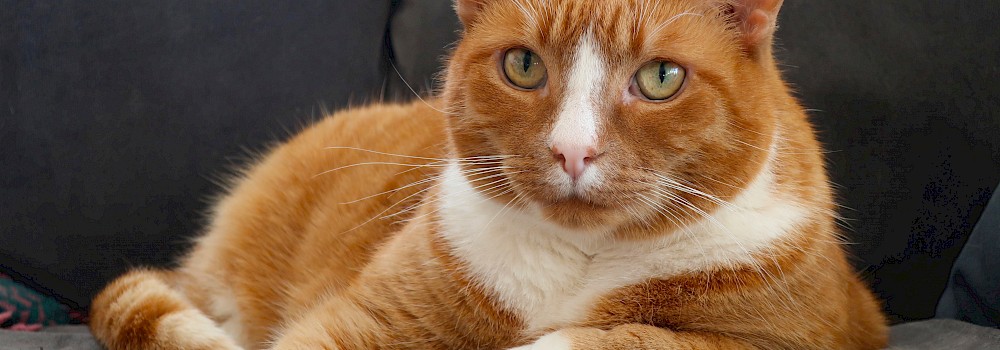
Most cats are particularly good at hiding their pain, and sometimes the signs that your cat may be in pain are easy to miss, and it can be challenging to know where the pain is coming from and what’s causing it. Chronic pain is often overlooked and put down to old age. Know what signs of pain to look for so your cat doesn’t have to suffer in silence.
Why don’t cats always show pain?
It’s a survival instinct. Cats in the wild will hide the fact that they are in pain and vulnerable, so they are not seen as weak by predators. Domestic cats have likely adopted similar traits. One should also bear in mind that not all cats respond to pain in the same way, which often depends on age, environment, and general health.
Signs of pain in your cat
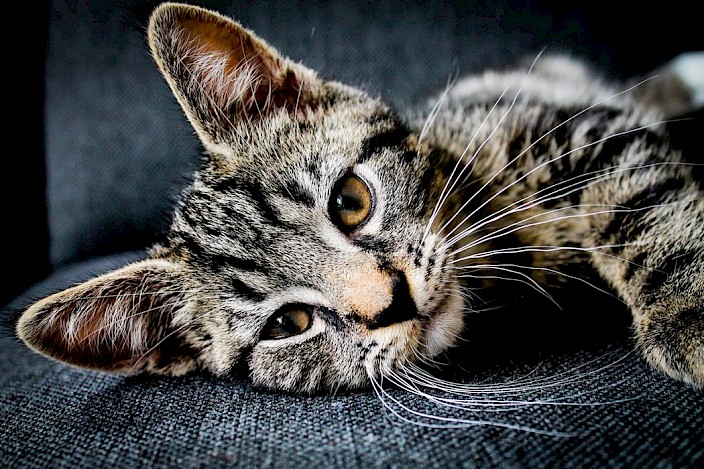
Scratching & biting: A cat in pain is more likely to bite and scratch (even familiar people!), especially if the painful area is touched or if the cat anticipates you will touch or move over the painful area.
Rapid/shallow breathing: The cat may breathe faster or more shallow than usual and also pant.
Change in heart and pulse rate: Cats in pain will often have a higher heart/pulse rate than usual which often increases when the painful area is touched.
Eye Changes: The eyes are often a good indicator that a cat is in pain. If the pain is in the eye(s) itself, this can result in either larger or constricted (smaller) pupils depending on the underlying issue and whether it’s just the one or both eyes affected. Pain elsewhere in the body will often result in dilated (larger) pupils. Squinting may indicate pain in the affected eye or elsewhere in the body. A ‘bloodshot’ eye can mean pain in the affected eye(s). Eyes closed or involuntary blinking is also a sign of pain.
Change in eating habits: Cats in pain will often eat and drink less. If the cause of their pain is mouth or teeth related, then they may find eating and drinking difficult.
Change in self-grooming: A cat experiencing pain or illness may not groom itself as much as usual. If a cat has a wound, it may lick a particular body region excessively.
Change in activity levels: Generally, a cat in pain will be less active and reluctant to walk or move. They will often hide under beds, sofas in cupboards etc. This is usually a very telling sign. A cat in pain will often sleep more than usual.
Change in mobility: A cat in pain will often limp or have difficulty jumping and generally move around less. Depending on what is causing the issue and pain, they may still move around, just differently.
Change in toilet habits: Constipation may be a sign of pain in your cat. Back pain, for example, may mean that your cat struggles to get into a position to do its business. Cats with pain caused by joint or bone issues may have difficulty getting into their litter boxes, so they may start urinating and doing their business elsewhere.
Inflammation: Swelling on your cat’s face or body may be the cause of a cat bite or tooth abscess, inflammation, cancer or another condition that could be the cause of pain in your cat.
Other possible signs of pain in your cat
- Agitation
- Cat crying/growling/hissing
- Avoids contact with its owner
- Less playful
- More aggressive
- Grumpy, quiet, hiding, lack of grooming
- Change in temperament or mood
- Tail flitching
- Avoiding bright areas
- Less rubbing toward people
Five things to know about cat pain:
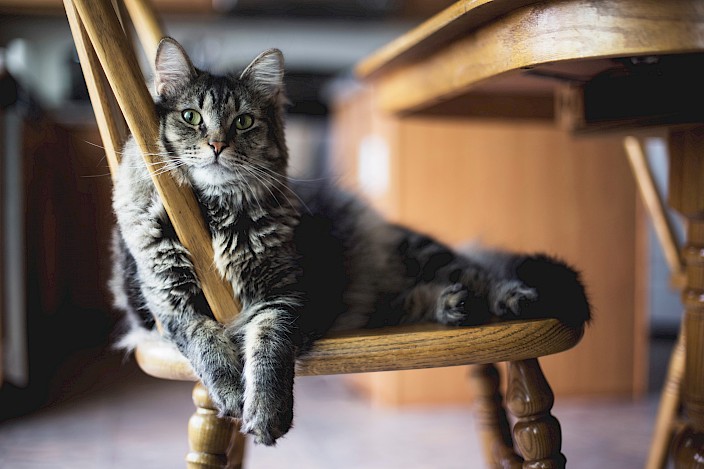
1. Look for subtle signs – cats often hide their pain
2. Be careful – cats in pain are more likely to bite!
3. Behaviour, breathing, heart rate, and even appearance can all change when your cat is in pain.
4. Never give your cat medication without first checking with your vet.
5. Always call your vet if you think your cat may be in pain.
There are many common conditions other than the visible broken bone or open wound that may be the cause of pain in your cat. These often go unnoticed by cat owners and, therefore, not treated by their veterinarians.
If your cat has been diagnosed with a medical condition, check with your vet whether there is a pain element, and ask what the options are for treating the pain.
If your cat is in pain
If your cat is in pain or you think it may be, it is essential to talk with or see your veterinarian so that the underlying cause can be determined and treated appropriately. NEVER self-prescribe medications to your cat without first checking with your veterinarian. Human drugs such as ibuprofen or paracetamol are highly toxic to cats and may even be fatal!
If your cat is recuperating from surgery or an illness or surgery, it is essential to limit their movement until they have sufficiently recovered. A quiet and comfortable environment will help with a speedy recovery.
Treatment for cats in pain
If your veterinarian prescribes medication, always ensure that your cat receives the correct dose. If you think your cat may be reacting adversely to the medication or if you have any concerns, contact your vet or, if out of hours, your nearest emergency vet.

Sandra James
Owner & Founder
The Cat Butler was set up by Sandra James in recognition of the fact that a stay in a cattery can be unsettling for many cats and also their owners.
 Cat Butler Cat Sitting Our professional cat sitting services are delivered by trained and vetted cat experts in the comfort of your cat’s own home, helping us to make sure that they are happy and safe while you are away.Home Care & Security We are more than just cat sitters. While you’re away, The Cat Butler team is here to make sure that your home is also safe and looked after.The Cat Butler Process We offer a free meeting to get to know your cat and to discuss their routine and care requirements.


 Cats are happier at home