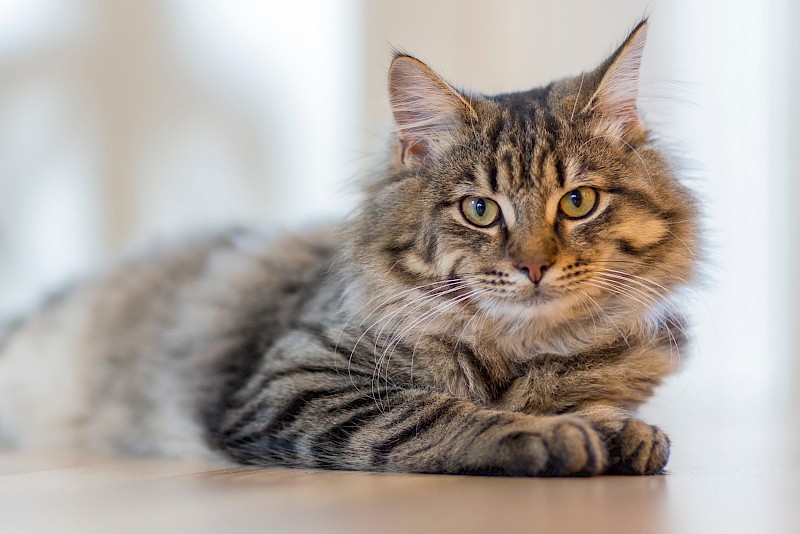
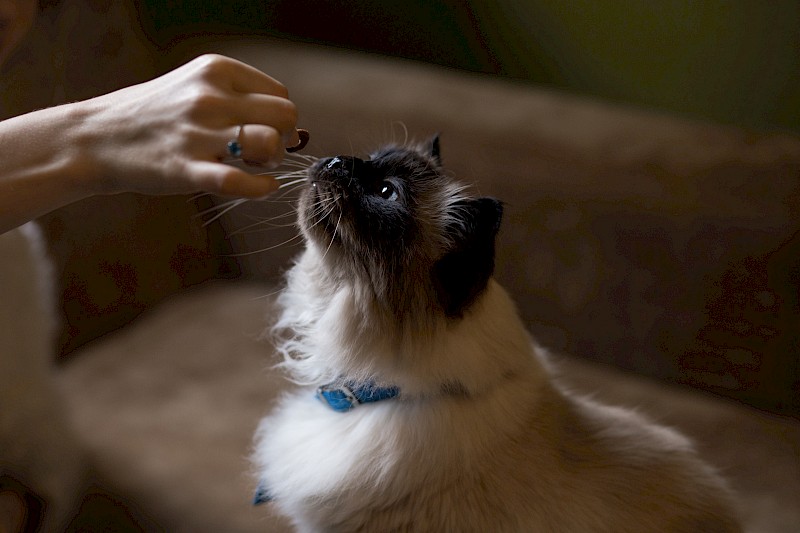
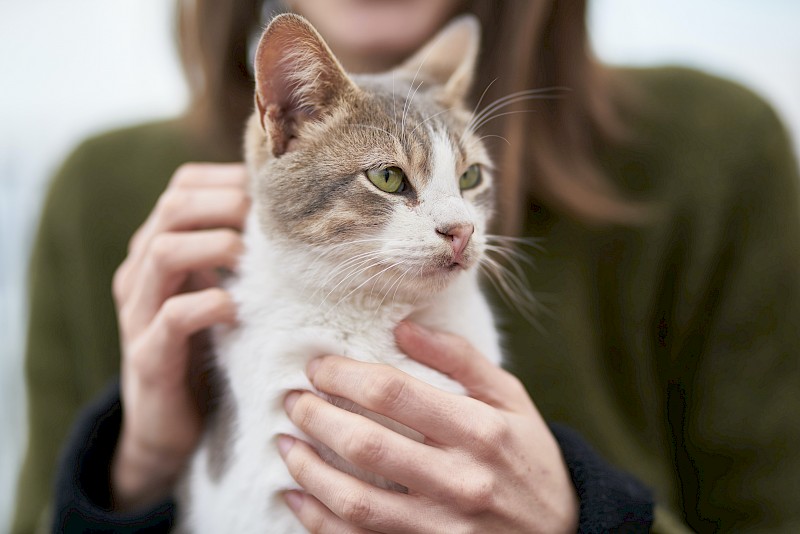
Senior cats aged ten and over have certain requirements that cat parents should be aware of to keep their feline friends healthy and happy. Although some conditions affecting a senior cat are not curable, they can be controlled. You may have had your cat from a kitten; if this is the case, then you will have a better understanding of their daily behaviour but bear in mind, not all changes in your cat's habits should be put down as them changing in their older age, any change in behaviour should mean a check-up with your veterinarian. As cat care experts, we take a look into some of the special requirements of older cats and how to provide them with the best care they need.
As our beloved cats get older, they will likely need more help as their dietary needs and mobility change.
Dietary Needs
Senior cats need an appropriate diet for their age, as older cats tend to have a slower metabolism and can be less active. Feeding your cat an age-specific diet can help manage their weight and maintain a healthy coat and skin. This means they also require fewer calories than younger cats. Older cats are more prone to health issues and need a diet that helps to support their needs; for example, kidney disease requires a diet low in protein and phosphorus. Always consult your veterinarian to choose the best diet for your cat's needs.
Dental Care
Senior cats develop dental problems as they age, for instance, tooth decay and gum disease. They are also more likely to suffer from tooth loss or worn-down teeth which can affect them and make it difficult for them to eat. Make sure to arrange regular dental check-ups with your veterinarian; they can also advise of a diet which best suits your cat's dental issues to promote healthy teeth and gums. For more information on dental issue prevention, see our previous post How to Spot and Prevent Dental Problems for Your Cat.
Monitor Their Health
As senior cats are more prone to developing health issues such as kidney disease, heart disease and arthritis, it is important to monitor them closely, keeping an eye on any change in appetite, lethargy, sleeping more than usual or a change in their sleeping patterns, their thirst levels and weight loss. Also look out for any changes in their litter box habits, vomiting or diarrhoea. Visiting your vet on a regular basis is important as blood tests can pick up health issues early, which will prevent them from becoming worse.
Regular Exercise
While older cats may be less active than younger cats and kittens, they still require regular exercise to maintain their joint health and muscle mass. Keep playing with your cat with toys which encourage physical activity like chasing toys. Also provide them with cat trees to climb and entice your cat to participate in gentle exercise such as walking up the stairs or around the home. If you notice a hesitation from kitty to jump up or get down from a height, this may be a sign of arthritis in your cat, and you should discuss this with your veterinarian.
Accessibility
Some changes around the home may be needed to ensure your cat's optimum comfort. Ensure your cat has comfortable bedding that doesn't require climbing or jumping to access, as joint issues could mean this is more difficult. A litter tray with low sides would also alleviate any joint stress. Steps and ramps are available to purchase to help your kitty reach their favourite spots, which may be higher up.
Keeping your older cat's favourite resting spots accessible will help alleviate the pressure on their joints as they get older.
Stress Reduction
Reducing stress in your cat's environment is important as older cats don't tend to cope well with change. Older cats may become more sensitive to loud noises, new people, and other stressors. Try to reduce their exposure to these triggers and create a calm and predictable environment for them. It's important to remember that older cats may experience a range of health issues that can impact their stress levels. If you're concerned about your cat's stress levels, it's always a good idea to talk to your veterinarian. As a change in environment and routine is stressful for an older cat, it may be best to consider care in their own home when you are away - having a cat sitter to care for them in their own environment, where they are most comfortable, may be the best option.
Sandra James
Owner & Founder
The Cat Butler was set up by Sandra James in recognition of the fact that a stay in a cattery can be unsettling for many cats and also their owners.
 Cat Butler Cat Sitting Our professional cat sitting services are delivered by trained and vetted cat experts in the comfort of your cat’s own home, helping us to make sure that they are happy and safe while you are away.Home Care & Security We are more than just cat sitters. While you’re away, The Cat Butler team is here to make sure that your home is also safe and looked after.The Cat Butler Process We offer a free meeting to get to know your cat and to discuss their routine and care requirements.


 Cats are happier at home