Finding a puddle beside the litter tray, or discovering that your cat has chosen the carpet instead, can be worrying. If your cat is not using the litter tray, the best starting point is to understand what has changed. Pain, stress or an uncomfortable toilet setup can all play a part.
At The Cat Butler, we know how much the little details of a cat’s routine matter. This guide will help you spot when veterinary advice is needed and work through practical changes at home, one step at a time.
If your cat is straining to wee and producing little or no urine, contact your vet or an emergency vet immediately. A blocked bladder can be life-threatening, particularly in male cats. Do not wait to see whether a different litter tray helps.
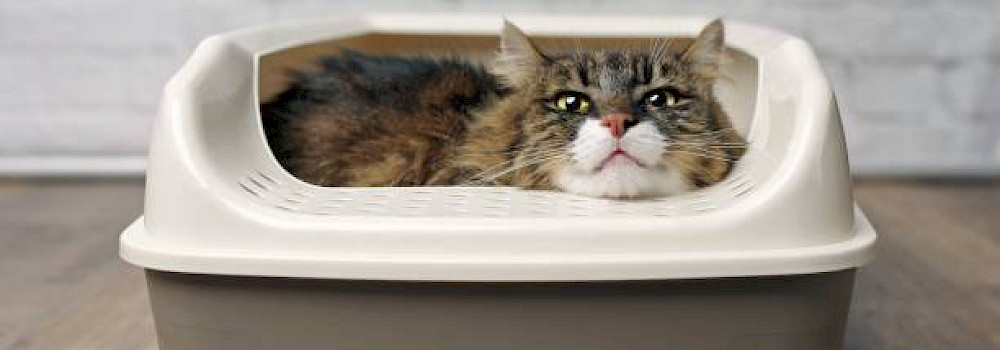
A change in litter tray habits can signal discomfort: contact your vet if your cat’s toileting routine changes.
Start with a vet check
A sudden change in toileting deserves a call to your vet, even if your cat seems otherwise well. Urinary problems, including bladder inflammation and stones, can make weeing painful. Blood in the urine, repeated visits to the tray or crying while toileting also need prompt veterinary advice. Cats Protection explains the warning signs in its guide to urinary problems in cats.
If your cat is pooing outside the tray, tell your vet whether the stool is unusually hard or loose, and mention any straining, sickness or appetite changes. A short record of what you have noticed can help the conversation. Never delay an urgent call while trying to collect a sample.
Could the litter tray itself be putting your cat off?
Look at the litter tray from your cat’s point of view. Can they step in comfortably, turn around and dig? A cramped tray may be awkward, while a covered tray may suit one cat and be disliked by another. Offer a second option rather than removing the familiar tray straight away.
Older cats may find a high entrance painful. Arthritis can make climbing and squatting difficult, so a spacious tray with a low entry can help alongside veterinary treatment. Mention stiffness, less jumping or changes in grooming to your vet; these are useful clues. Read more about arthritis in cats.
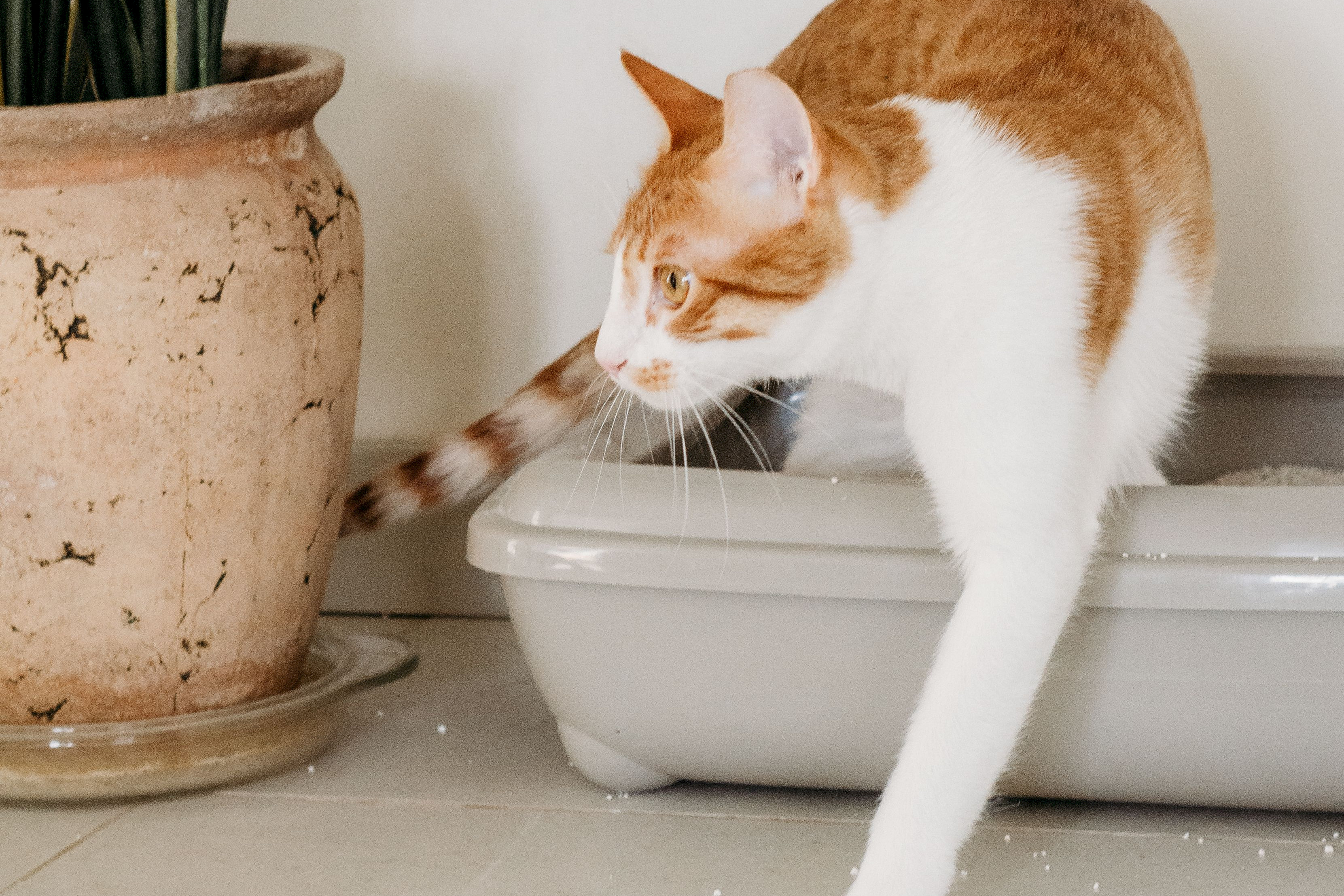
Choose a litter tray your cat can enter comfortably, with enough space to turn around and dig.
Check the location and number of trays
A quiet, accessible place is usually more inviting than a busy passageway or a spot beside a noisy washing machine. Keep trays separate from food, drinking water and beds.
Provide one tray for each cat, plus one extra, in different places. Two cats therefore need three trays. Avoid lining them all up together: separate locations give cats a real choice. There should also be an indoor option for cats who normally toilet outside, especially when bad weather or neighbouring cats make the garden less appealing.
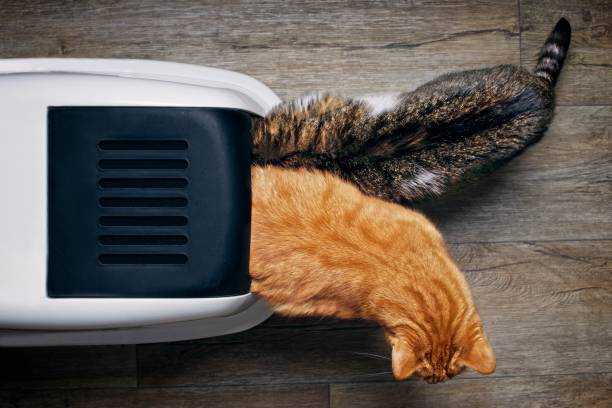
In a home with several cats, separate litter tray locations help each cat find a comfortable place to toilet.
Keep litter familiar and the tray clean
Think back to when the problem began. Did you change the litter brand, introduce a strong fragrance or move the litter tray? If a change coincided with the accidents, that is useful information for your vet.
Stick with a familiar, unscented litter where possible. Scoop at least twice daily, more often if needed, and wash the litter tray regularly with hot, soapy water or a cat-safe cleaner. Cats Protection’s toileting advice includes a helpful tray checklist.
Consider stress and changes at home
A new pet, visitors or disruption to a familiar routine can affect a cat’s confidence. Keep daily care predictable and give your cat somewhere peaceful to retreat. If another cat appears to be guarding the route to a litter tray, make an alternative available elsewhere.
Never punish your cat or push their nose into an accident. This can increase anxiety and will not explain what you want them to do. Clean the area promptly with a cat-safe product designed for pet accidents, following its instructions. The PDSA’s litter tray guidance offers further practical support.
If problems continue after a veterinary assessment and sensible adjustments, ask your vet about a qualified feline behaviourist.
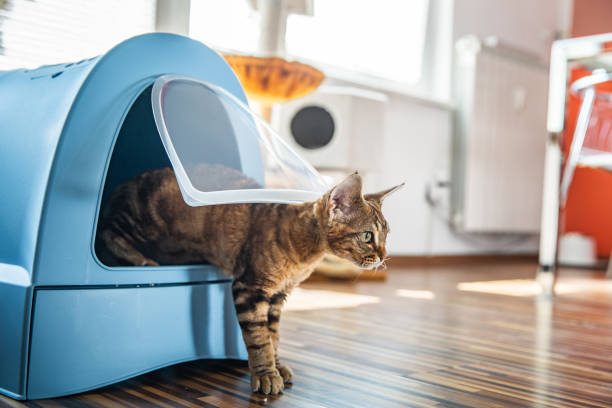
Familiar routines and a quiet resting place can help your cat feel more secure when life at home changes.
Tell your Cat Butler about your cat’s routine
Before you go away, show your Cat Butler where every litter tray is kept, which litter you use and how you usually clean it. Leave enough supplies and explain what is normal for your cat, including any recent accidents or veterinary advice.
A simple written note is particularly useful in a home with several cats: who prefers which litter tray, any access difficulties and what changes should prompt a call. Make sure your vet’s details and your emergency contact are up to date, too.
Our visits can help maintain your cat’s familiar care routine while you are away. If you would like to discuss your cat’s individual needs, find your local Cat Butler. For practical preparation before a disruption, you can also read our 72-hour cat emergency kit checklist.
This guide provides general cat care information. Your vet can assess the cause of a change in toileting and advise on the right treatment for your cat.
Sandra James
Owner & Founder
The Cat Butler was set up by Sandra James in recognition of the fact that a stay in a cattery can be unsettling for many cats and also their owners.
 Cat Butler Cat Sitting Our professional cat sitting services are delivered by trained and vetted cat experts in the comfort of your cat’s own home, helping us to make sure that they are happy and safe while you are away.Home Care & Security We are more than just cat sitters. While you’re away, The Cat Butler team is here to make sure that your home is also safe and looked after.The Cat Butler Process We offer a free meeting to get to know your cat and to discuss their routine and care requirements.


 Cats are happier at home