Vomiting in Cats
Vomiting in cats is a common problem with a wide range of potential causes - here are just a few.
Added on: 03 Oct, 2020
Posted by: Sandra James
6 min read (1024 words)
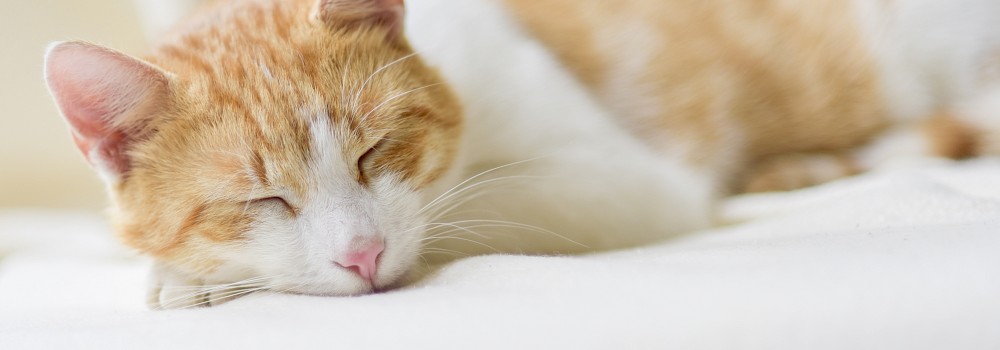
It's a fact of life that you're going to have to deal with vomit eventually when you have a cat. And while it isn't the nicest topic, it is still important to know about the reasons why your cat might be vomiting and what you can do to help. First of all, some degree of vomiting is normal. However, if your cat is sick more than once a day or over consecutive days, then you should take your cat for a vet check. There are many reasons why your feline friend might be vomiting, and your vet will be able to investigate them all.
Eating too fast
A common reason for vomiting is because your cat is eating too fast. Much like humans, cats will be sick if they’ve eaten a large amount of food in a short amount of time!
You can help with this by slowing your cat down. Try feeding your cat small, frequent meals. A practical solution is to invest in an automatic feeder, as it can give your cat a small amount of food at set times. Alternatively, you could buy a puzzle feeder. The curves and grooves in the feeder will make it more difficult for your cat to gobble down all its food in just a few minutes.
If you have multiple cats, it might be a good idea to feed your cats at different times and areas in your house. If your cats are eating together, they might be competing to finish their food first. (so that they can steal each other's food!)
Food allergies
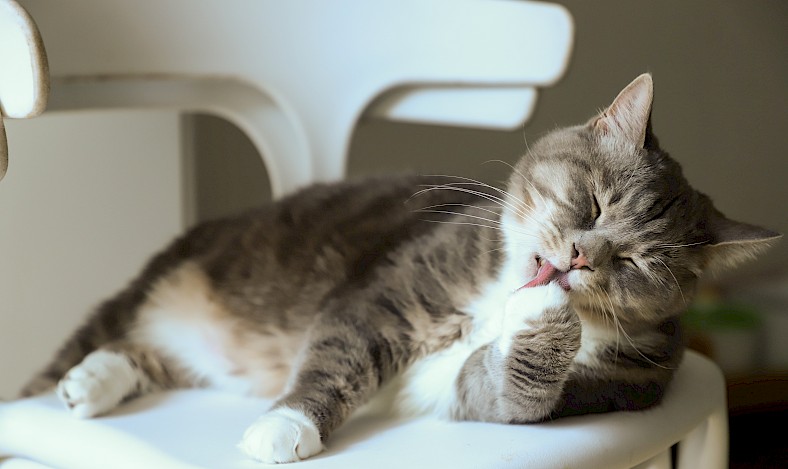
Another potential reason for your cat’s vomiting is allergies. Cats can be allergic to all sorts of things, but they're most commonly allergic to beef, milk products, and fish. If this is the case, your cat may need a particular type of food that doesn't have these ingredients. Your vet will be able to recommend suitable food.
It is important to never diagnose your cat's allergies by yourself - always consult with your vet! Changing your cat's food on your own could end up upsetting your cat's stomach or even more.
Hairballs
Yes, hairballs really can cause problems for your cat! Hairballs form when cats groom themselves. They swallow pieces of their loose, dead hair which mix in their stomach and are then regurgitated.
Generally speaking, it's actually a good thing if your cat coughs up hairballs as it means that the fur isn't lodged in their stomach or intestine. However, if your cat has a lot of hairballs or it is causing them distress, you can help by brushing your cat regularly, which will prevent them from over-grooming. This can be especially helpful with long-haired cat breeds such as Persians and Maine Coons. You can also buy special types of cat food with more fibre and help reduce the formation of hairballs.
It may also be worth finding out whether your cat is stressed. Over-grooming is the cat equivalent of biting nails and can be a sign that your cat is stressed.
Eating toxic foods or items
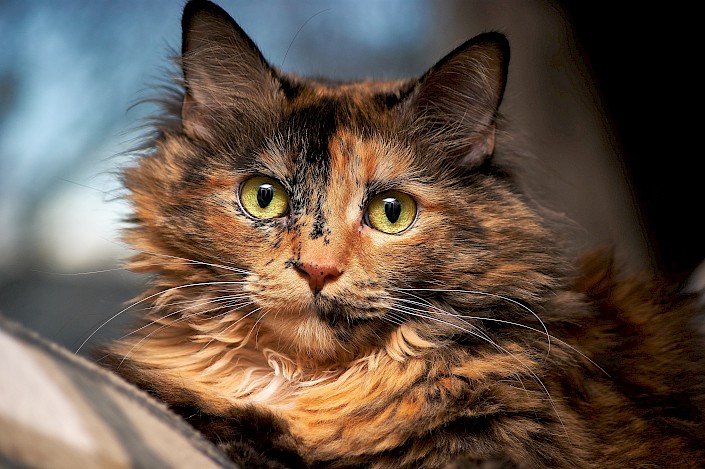
While cats do tend to be picky about their food, this doesn't stop them from eating things that aren't good for them, such as houseplants, spoiled cat food, human medications, human foods, or little objects like string or paperclips can end up in your cat’s mouth and cause real damage.
Toxic foods can be an issue with cats. Not only can they be tempted to take a bite out of a houseplant or a bit of food lying around, but they also can pick up toxic chemicals on their fur, which is then ingested when they groom themselves. To help reduce the risk of this happening, you should first try to make your house as cat-proof as possible. When buying houseplants, please do your research to ensure that they are not toxic to cats. Also, make sure that you don't leave medications or human foods within your cat's reach. However, if your cat has managed to ingest something toxic, call your vet immediately. Some toxins can be hazardous for cats, so this isn't something to take lightly.
Similarly, make sure that you don't leave small items like paper clips or small toys out for your cat to eat potentially. While it can be frustrating to be tidying up all the time, your cat's health is more important than having these objects immediately to hand. If you believe that your cat has eaten an object, take your cat to the vet immediately. Sometimes items can get stuck in a cat's intestine, which can be a serious problem. Your vet will be able to examine your cat with x-rays and other tests and will advise from there.
Illness
When you consult with your vet, they may look for various illnesses that could also contribute to your cat's vomiting. Common illnesses that can cause vomiting include:
Parasites are also a potential reason your cat may be vomiting - many types of parasites will irritate a cat's stomach. Parasites are a common problem in cats, so your vet will be able to advise you on the best course of action. It is important to keep your cat's flea and worming treatments up-to-date, helping keep parasites at bay.
As you can see, there are many different reasons why your cat might be vomiting, some more serious than others. However, if you think that something is seriously wrong, make sure to contact your vet immediately.

Sandra James
Owner & Founder
The Cat Butler was set up by Sandra James in recognition of the fact that a stay in a cattery can be unsettling for many cats and also their owners.
 Cat Butler Cat Sitting Our professional cat sitting services are delivered by trained and vetted cat experts in the comfort of your cat’s own home, helping us to make sure that they are happy and safe while you are away.Home Care & Security We are more than just cat sitters. While you’re away, The Cat Butler team is here to make sure that your home is also safe and looked after.The Cat Butler Process We offer a free meeting to get to know your cat and to discuss their routine and care requirements.


 Cats are happier at home